

Choosing the right residential roofing system is one of the most important decisions a homeowner can make. Your roof is not just a structural component—it protects your home, improves energy efficiency, and enhances curb appeal. With so many materials and styles available, selecting the best roofing system can feel overwhelming. This guide will help you understand the key factors, compare popular options, and make an informed decision for your home.
Understanding Residential Roofing Systems
A residential roofing system includes the outer covering (like shingles or tiles), underlayment, insulation, and ventilation components. Each part works together to protect your home from weather, improve durability, and maintain indoor comfort.
Roofing systems are typically categorized based on materials and structure. Common materials include asphalt shingles, metal, clay tiles, slate, and concrete, while structural styles include gable, flat, hip, and mansard roofs.
Key Factors to Consider When Choosing a Roofing System
1. Climate and Weather Conditions
Your local climate plays a crucial role in selecting the right roofing system.
- In hot climates, reflective or “cool roofs” like metal can reduce heat absorption and lower cooling costs.
- In rainy or snowy regions, durable materials like metal or slate offer better protection.
- In hilly areas (like Himachal Pradesh), slate roofing is popular due to its durability and weather resistance.
👉 Always choose a material that can withstand your region’s temperature fluctuations, rainfall, and wind conditions.
2. Budget and Cost Considerations
Budget is often the deciding factor for homeowners. Roofing costs vary significantly depending on the material and quality.
- Asphalt shingles: ₹80–₹150 per sq. ft (budget-friendly)
- Metal roofing: ₹300+ per sq. ft (premium but durable)
- Roofing sheets: ₹40–₹150 per sq. ft (economical option)
While some materials have higher upfront costs, they may save money long-term due to durability and low maintenance.
👉 Tip: Don’t just focus on initial cost—consider lifespan and maintenance expenses.
3. Durability and Lifespan
Different roofing materials offer different lifespans:
- Asphalt shingles: 15–30 years
- Metal roofing: 40–70+ years
- Slate or clay tiles: 50+ years
Metal roofs, for example, are highly resistant to weather, fire, and wind, making them a long-term investment.
👉 Choose a durable material if you plan to stay in your home long-term.
4. Maintenance Requirements
Some roofing systems require more upkeep than others:
- Low maintenance: Metal, concrete, synthetic roofing
- Moderate maintenance: Asphalt shingles
- High maintenance: Wood shingles or natural materials
Regular maintenance helps extend the lifespan of any roofing system.
5. Aesthetic Appeal
Your roof significantly impacts your home’s appearance. Different materials offer different looks:
- Asphalt shingles: Versatile and widely available
- Metal roofing: Modern and sleek
- Clay tiles: Traditional and elegant
- Slate: Premium and timeless
👉 Choose a roofing style that complements your home’s architecture.
6. Energy Efficiency
Energy-efficient roofing can reduce electricity bills:
- Reflective metal roofs reduce heat absorption
- Light-colored materials help keep homes cooler
- Insulated roofing systems improve temperature control
Energy-efficient roofs are especially important in warmer regions.
7. Roof Structure and Design
The shape and slope of your roof also influence your choice:
- Flat roofs require membrane or rubber roofing
- Steep roofs work well with shingles or tiles
- Complex designs increase installation costs
Some materials are only suitable for certain roof pitches, so consult a professional before deciding.
Popular Residential Roofing Materials
1. Asphalt Shingles
- Most widely used roofing material
- Affordable and easy to install
- Available in many colors and styles
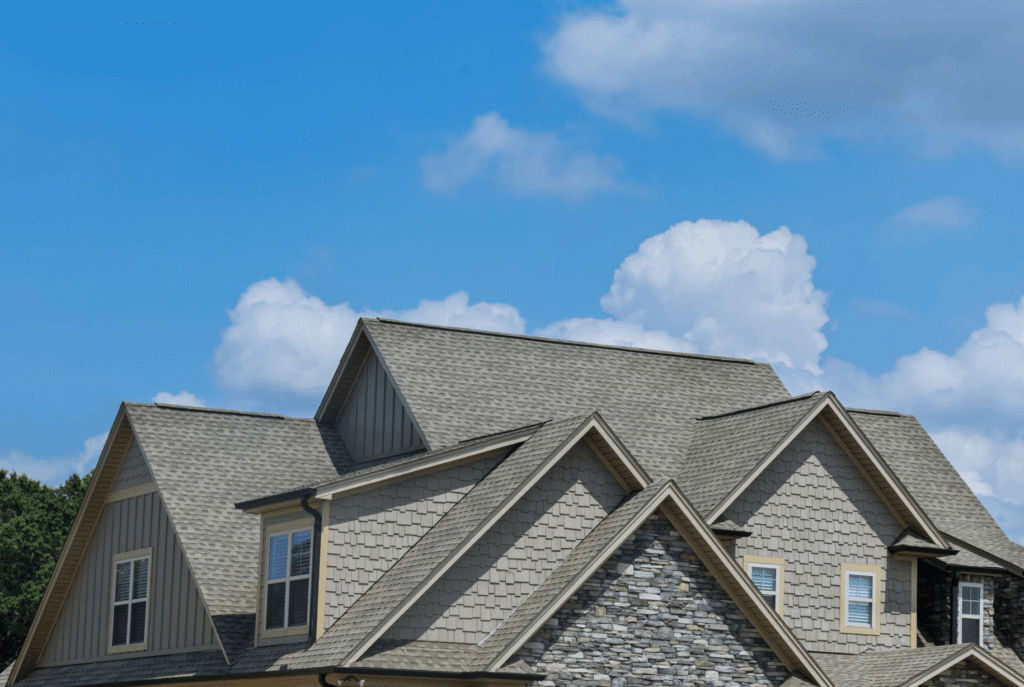
Asphalt shingles are popular because they provide a cost-effective solution without sacrificing durability.
👉 Best for: Budget-conscious homeowners
2. Metal Roofing
- Highly durable and long-lasting
- Energy-efficient and eco-friendly
- Resistant to fire and extreme weather
Although expensive upfront, metal roofs offer long-term savings due to low maintenance and longevity.
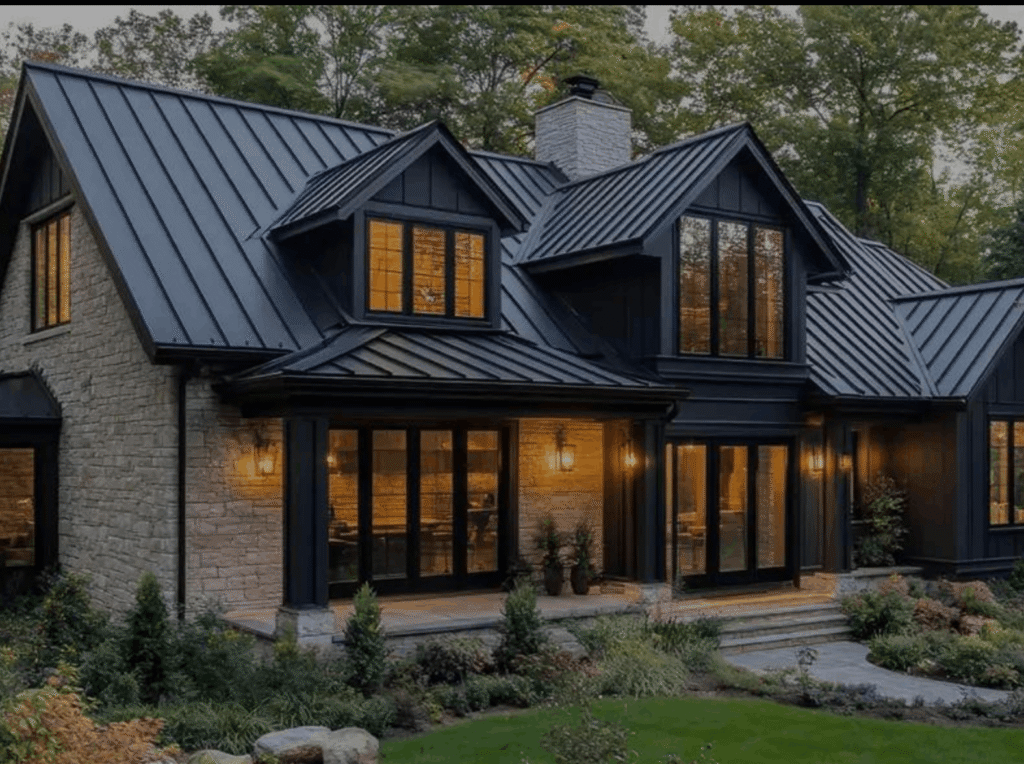
👉 Best for: Long-term investment and harsh climates
3. Clay and Concrete Tiles
- Extremely durable and weather-resistant
- Aesthetic appeal for traditional homes
- Long lifespan
However, they are heavy and may require additional structural support.
👉 Best for: Premium and traditional homes
4. Slate Roofing
- One of the most durable roofing materials
- Elegant and natural appearance
- Long lifespan (50+ years)
Slate is ideal for colder regions but comes at a high cost.
👉 Best for: Luxury homes and cold climates
5. Roofing Sheets (Metal/Fiber/Polycarbonate)
- Lightweight and easy to install
- Affordable and versatile
- Suitable for extensions and small homes
They are commonly used due to quick installation and lower cost.
👉 Best for: Budget homes and semi-urban areas
Step-by-Step Process to Choose the Right Roofing System
- Assess your climate and location
- Set a realistic budget
- Compare materials based on durability and maintenance
- Choose a style that matches your home design
- Consult a professional roofing contractor
- Request multiple quotes before finalizing
Common Mistakes to Avoid
- Choosing based on price alone
- Ignoring local climate conditions
- Not considering maintenance costs
- Hiring inexperienced contractors
- Skipping proper inspection and consultation
Final Thoughts
Selecting the best residential roofing system requires balancing cost, durability, aesthetics, and climate suitability. There is no one-size-fits-all solution—what works for one home may not work for another.
If you’re looking for affordability, asphalt shingles are a great option. For long-term value, metal roofing stands out. For aesthetics and durability, slate or clay tiles are excellent choices.
Ultimately, the best roofing system is one that meets your needs, fits your budget, and protects your home for years to come.