

A residential roof is one of the most important parts of your home, protecting everything beneath it from weather, temperature changes, and environmental damage. However, no roof lasts forever. Understanding the lifespan of different roofing materials can help homeowners plan maintenance, budget for replacement, and avoid costly surprises.
In this guide, we’ll break down how long various residential roofs last, what factors impact their durability, and how you can extend the life of your roof.
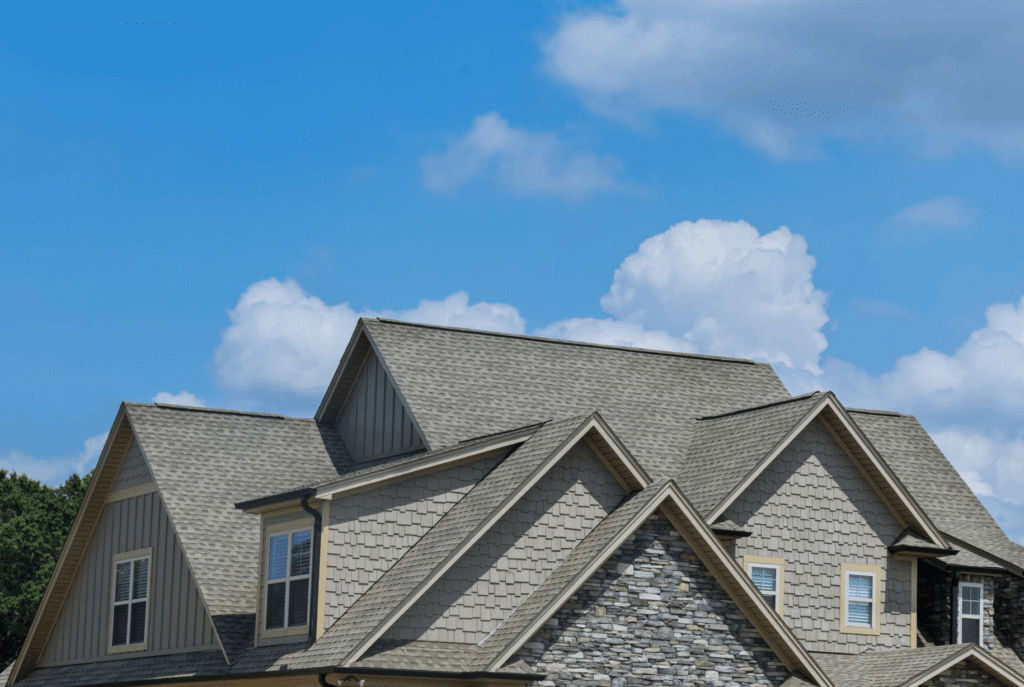
Why Roof Lifespan Matters
Your roof is a long-term investment. Knowing its expected lifespan helps you:
- Plan for future repairs or replacement
- Avoid sudden leaks or structural damage
- Maintain property value
- Improve energy efficiency
Ignoring roof aging can lead to major issues like water damage, mold growth, and higher repair costs.
Average Lifespan of Residential Roofing Materials
Different roofing materials have different lifespans depending on quality, installation, and maintenance.
1. Asphalt Shingles (15–30 Years)
Types of asphalt shingles:
- 3-tab shingles: 15–20 years
- Architectural shingles: 20–30 years
- Premium shingles: 25–30+ years
Pros:
Asphalt shingles are the most common roofing material for residential homes due to their affordability and ease of installation.
- Cost-effective
- Widely available
- Easy to repair
Cons:
- Shorter lifespan compared to other materials
- Can be damaged by extreme weather
👉 Best for homeowners looking for a budget-friendly roofing option.
2. Metal Roofing (40–70 Years)
Metal roofs are becoming increasingly popular due to their durability and modern appearance.
Types include:
- Steel
- Aluminum
- Copper
Pros:
- Long lifespan
- Resistant to fire, wind, and pests
- Energy-efficient (reflects heat)
Cons:
- Higher upfront cost
- Can be noisy during rain if not insulated
👉 Ideal for homeowners seeking long-term value and low maintenance.
3. Clay and Concrete Tiles (50–100 Years)
Clay and concrete tiles are known for their longevity and aesthetic appeal, especially in warm climates.
Pros:
- Extremely durable
- Resistant to fire and rot
- Long-lasting
Cons:
- Heavy (requires strong structure)
- Expensive installation
👉 Great for homeowners who want a premium, long-lasting roof.
4. Wood Shingles and Shakes (20–40 Years)
Wood roofing provides a natural, rustic look and is commonly made from cedar.
Pros:
- Attractive appearance
- Good insulation
Cons:
- Requires regular maintenance
- Susceptible to fire, rot, and insects
👉 Best for homeowners who prioritize aesthetics and are willing to maintain it.
5. Slate Roofing (75–150 Years)
Slate is one of the most durable roofing materials available.
Pros:
- Extremely long lifespan
- Elegant and natural look
- Fire-resistant
Cons:
- Very expensive
- Heavy and requires expert installation
👉 Ideal for luxury homes and long-term investments.
6. Synthetic Roofing Materials (30–50 Years)
Synthetic roofing mimics natural materials like slate or wood but at a lower cost.
Pros:
- Lightweight
- Durable
- Lower maintenance
Cons:
- Quality varies by manufacturer
👉 A good balance between cost, durability, and appearance.
Key Factors That Affect Roof Lifespan
Even the best roofing material won’t last its full lifespan without proper care. Several factors influence how long your roof will last:
1. Climate and Weather Conditions
- Extreme heat can cause cracking
- Heavy rain and snow can lead to water damage
- Strong winds can loosen shingles
2. Installation Quality
Poor installation can reduce a roof’s lifespan significantly. Always hire experienced professionals for roofing work.
3. Ventilation and Insulation
Proper attic ventilation prevents moisture buildup and temperature fluctuations that can damage roofing materials.
4. Maintenance and Repairs
Regular inspections and timely repairs can extend roof life by years.
5. Material Quality
Higher-quality materials generally last longer and perform better under stress.
Signs Your Roof May Need Replacement
Even if your roof hasn’t reached its expected lifespan, you may need a replacement if you notice:
- Missing or damaged shingles
- Leaks or water stains inside your home
- Sagging roof structure
- Mold or moss growth
- Granules collecting in gutters (for asphalt roofs)
Ignoring these signs can lead to more expensive structural damage.
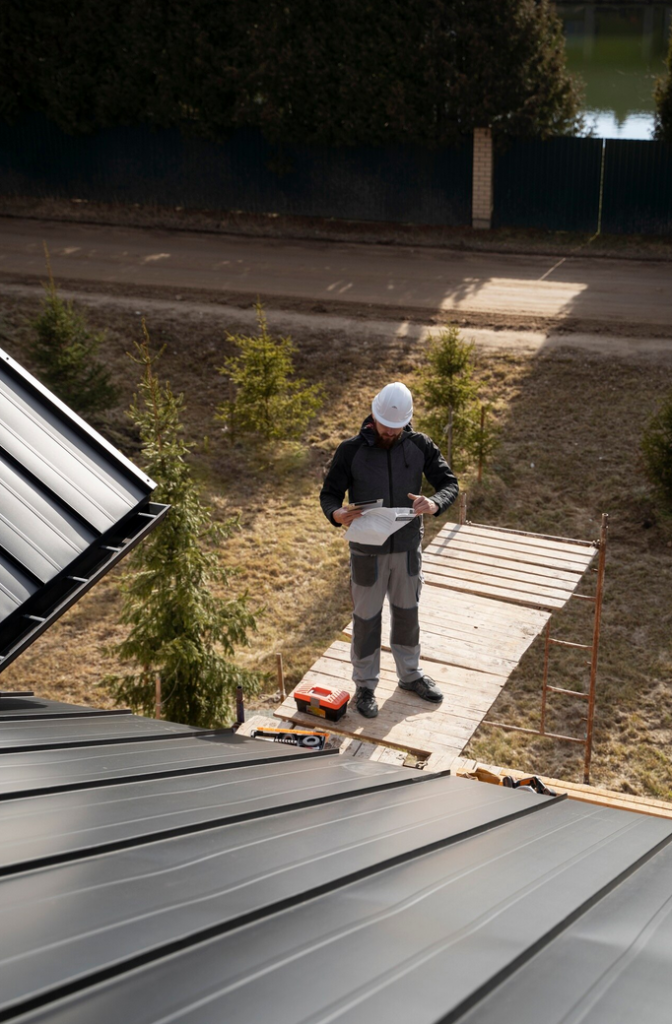
How to Extend the Life of Your Roof
You can maximize your roof’s lifespan with simple maintenance practices:
1. Schedule Regular Inspections
Inspect your roof at least twice a year and after major storms.
2. Keep Gutters Clean
Clogged gutters can cause water to back up and damage your roof.
3. Remove Debris
Leaves and branches can trap moisture and lead to decay.
4. Fix Minor Issues Early
Small problems can quickly turn into major repairs if ignored.
5. Ensure Proper Ventilation
Good airflow prevents moisture buildup and heat damage.
Roof Replacement vs Repair: What Should You Choose?
Sometimes homeowners struggle to decide between repairing or replacing their roof.
Choose Repair If:
- Damage is minor and localized
- Roof is relatively new
- Repair costs are low
Choose Replacement If:
- Roof is near the end of its lifespan
- Frequent repairs are needed
- Structural damage is present
A professional inspection can help you make the right decision.
Cost Considerations for Roof Replacement
Roof replacement costs vary based on:
- Material type
- Roof size and complexity
- Labor costs
- Location
Final Thoughts
The lifespan of a residential roof depends largely on the material you choose and how well it is maintained. While asphalt shingles may last around 20–30 years, premium materials like slate can last over a century.
Choosing the right roofing material is not just about cost—it’s about long-term value, durability, and protection for your home.
If you’re unsure about your roof’s condition, consider scheduling a professional inspection. A well-maintained roof not only protects your home but also adds to its overall value and comfort.